
Gut health has become one of the most talked‑about wellness topics in the United States, and for good reason. If you are searching for how to improve gut health naturally, it usually means you are already experiencing issues like bloating, poor digestion, low energy, acne, frequent illness, or even anxiety. The gut is no longer seen as just a digestive system; it is now known as the control center of overall health.
Learning how to improve gut health naturally can positively impact digestion, immunity, skin clarity, mental focus, hormone balance, and long‑term disease prevention. This guide on how to improve gut health naturally is written for a USA audience, based on lifestyle, food habits, and modern scientific understanding. By the end of this article, you will clearly understand how to improve gut health naturally without relying on harsh medications, extreme detoxes, or unsafe shortcuts.
Explore more health and wellness tips at The Health and Beauty Tips for expert advice.
Example line: “Collagen-rich foods and drinks may support gut lining and skin, but always be aware of Collagen drinks safety and side effects
What Is Gut Health and Why Does It Matter?
Gut health is the foundation of overall well-being and refers to the balance, diversity, and function of trillions of microorganisms that live in your digestive system, collectively called the gut microbiome. These microorganisms, including bacteria, fungi, and other microbes, are not just passive residents—they actively participate in breaking down food, producing essential vitamins like B12 and K, supporting the absorption of minerals, regulating inflammation, and protecting the body from harmful pathogens.
When your gut microbiome is balanced, it acts like a finely tuned orchestra, with each microbial species contributing to the smooth functioning of digestion, immunity, metabolism, and even mental clarity. However, when this balance is disrupted by poor diet, stress, lack of sleep, antibiotics, or processed foods, the consequences can ripple throughout your entire body.
Poor gut health has been linked to a wide range of chronic health conditions, including digestive disorders like IBS, obesity, diabetes, autoimmune diseases, cardiovascular issues, skin conditions like acne or eczema, and even mental health challenges such as anxiety and depression.
A healthy gut ensures that nutrients from food are efficiently absorbed, blood sugar levels remain stable, and your immune system functions optimally. Remarkably, nearly 70% of the immune system resides in the gut, meaning that gut imbalance can lead to frequent colds, prolonged recovery from illness, and chronic fatigue. The gut is also closely connected to the brain through the gut-brain axis, highlighting its impact on mood, cognition, and stress resilience. Focusing only on managing symptoms without addressing gut health provides temporary relief at best; long-term wellness begins in the gut.
By understanding the pivotal role your digestive system plays and learning how to support it naturally, you can create a strong foundation for lasting physical health, mental clarity, energy, and overall vitality. Prioritizing gut health is not a luxury—it’s an essential step toward living a balanced, healthy, and resilient life.
Signs Your Gut Health Is Poor
Recognizing the early signs of poor gut health is crucial if you want to learn how to improve gut health naturally. Many people overlook subtle symptoms until they become persistent, but your body often provides clear signals when the gut is out of balance. Common digestive issues such as constant bloating, excessive gas, constipation, diarrhea, acid reflux, and food intolerances indicate that the gut microbiome may not be functioning optimally. Frequent sugar cravings or unexplained weight gain can also be linked to imbalances in gut bacteria, as these microorganisms influence metabolism and appetite regulation. When the gut is disrupted, nutrient absorption can be compromised, which in turn affects energy levels, hormone balance, and overall vitality.
Beyond digestive symptoms, poor gut health often manifests externally through the skin. Many individuals experience acne, eczema, rosacea, or a dull complexion when their digestive system is inflamed or lacking diversity in beneficial bacteria. This connection exists because the gut plays a significant role in controlling systemic inflammation and detoxification. Mental and emotional health are also closely tied to gut function. Brain fog, difficulty concentrating, anxiety, irritability, low mood, and even disrupted sleep patterns are frequently linked to an imbalanced gut. The gut-brain axis, a communication pathway between the gut and the central nervous system, explains why digestive disturbances can directly affect cognitive function and emotional well-being.
In the United States, lifestyle factors such as highly processed diets, chronic stress, insufficient sleep, and frequent antibiotic use have made gut problems increasingly common. When multiple symptoms occur together—such as digestive discomfort, skin issues, and low energy—it is a strong indicator that the gut may be inflamed or lacking beneficial bacteria. The encouraging news is that the gut is highly resilient and can recover when provided with proper nutrition, lifestyle adjustments, and consistent self-care. By identifying these warning signs early, you can take actionable steps toward restoring gut health naturally, preventing more severe complications, and enhancing overall wellness and vitality.

How Diet Affects Gut Health
Diet forms the cornerstone of gut health, and understanding the impact of food on the microbiome is essential when learning how to improve gut health naturally. Every bite you take either nourishes beneficial bacteria or encourages the growth of harmful microbes that disrupt digestion, increase inflammation, and compromise immunity. In modern lifestyles, especially in the United States, highly processed foods, refined sugars, artificial sweeteners, and excessive alcohol consumption have become pervasive, all of which can weaken the gut lining, reduce microbial diversity, and create an imbalance in the gut ecosystem. On the other hand, whole, minimally processed foods rich in fiber, antioxidants, and natural enzymes help cultivate a thriving microbiome and restore a healthy digestive environment.
Fiber is particularly critical for gut health because it serves as fuel for beneficial bacteria. These bacteria ferment fiber in the colon to produce short-chain fatty acids, which nourish the gut lining, reduce inflammation, and strengthen immune responses. Without sufficient fiber, beneficial bacteria starve while harmful strains multiply, leading to digestive discomfort, bloating, irregular bowel movements, and systemic inflammation. Unfortunately, most Americans consume significantly less fiber than recommended, which is a primary contributor to widespread gut dysfunction and chronic health issues.
In addition to fiber, the inclusion of antioxidant-rich foods such as colorful fruits, vegetables, nuts, and seeds supports gut health by combating oxidative stress and protecting the gut lining from damage. Foods containing natural digestive enzymes, such as papaya, pineapple, and fermented products, also enhance nutrient breakdown and absorption. Learning how to improve gut health naturally is not about temporary dietary changes or extreme diets; it involves creating a consistent pattern of eating that prioritizes fiber-rich, nutrient-dense, and minimally processed foods. By making thoughtful, sustainable dietary choices, you provide the microbiome with the tools it needs to thrive, leading to better digestion, increased energy, improved immunity, and long-term wellness. Check out our Gut Health & Digestive Wellness category for related articles and guides.
Best Foods to Improve Gut Health Naturally
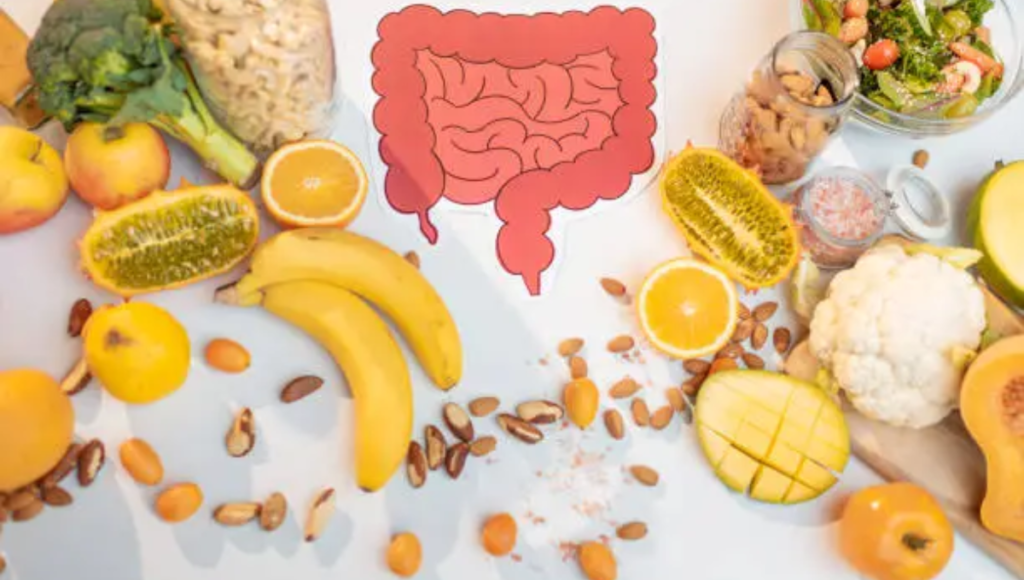
Choosing the right foods is arguably the single most powerful way to improve gut health naturally. Your gut microbiome thrives on diversity, and the variety of foods you consume directly influences which bacterial strains flourish. Whole, plant-based foods like vegetables, fruits, legumes, nuts, and seeds provide the fiber, vitamins, and minerals necessary to maintain a balanced microbiome. Leafy greens such as spinach, kale, and Swiss chard offer prebiotic fibers that nourish beneficial bacteria, while berries, apples, and pears provide antioxidants and soluble fibers that support microbial diversity. Whole grains like oats, quinoa, and barley, along with legumes like lentils and chickpeas, contribute complex carbohydrates that feed good bacteria and promote regular bowel movements.
Fermented foods are another cornerstone of a gut-friendly diet. Yogurt with live cultures, kefir, sauerkraut, kimchi, miso, and kombucha naturally introduce probiotics—beneficial bacteria—into the digestive tract. These foods help restore microbial balance, enhance digestion, reduce gut inflammation, and support the immune system. Incorporating fermented foods gradually allows the gut to adjust and ensures maximum benefit without digestive discomfort.
Bone broth is also a highly beneficial gut-supportive food, as it contains collagen, amino acids, and minerals that help repair the gut lining and promote overall digestive health. Additionally, foods rich in polyphenols, such as green tea, dark chocolate, berries, and certain nuts, serve as fuel for beneficial gut bacteria and help reduce inflammation throughout the body. Combining a wide variety of these nutrient-dense foods ensures that your microbiome receives the diversity it needs to thrive, creating a strong foundation for digestion, immunity, mental clarity, and long-term wellness.
By consistently prioritizing these gut-friendly foods and balancing them with whole lifestyle practices, you create a sustainable approach to improving gut health naturally. This not only supports immediate digestive comfort but also builds resilience against chronic illnesses and boosts overall vitality, demonstrating that nutrition truly is the first line of defense for a healthy, balanced gut.
Foods That Damage Gut Health
Understanding which foods to avoid is just as critical as knowing which ones to include when aiming to improve gut health naturally. Certain dietary choices can drastically alter the balance of your gut microbiome, creating an environment where harmful bacteria thrive while beneficial bacteria are suppressed. Excessive sugar intake is one of the primary offenders. Sugar feeds harmful bacteria and yeast in the digestive tract, leading to imbalances that can cause bloating, gas, and inflammation. Even seemingly harmless desserts, sweetened beverages, and hidden sugars in processed foods can gradually erode gut health.
Artificial sweeteners, including aspartame, sucralose, and saccharin, have also been shown in research to disrupt the composition of gut bacteria. While they may be marketed as “healthier” alternatives to sugar, these compounds can contribute to digestive disturbances, glucose intolerance, and long-term microbiome disruption. Highly refined carbohydrates, such as white bread, pastries, and certain breakfast cereals, alongside fried foods and trans fats, can inflame the gut lining, impair digestion, and weaken the natural barrier that protects against harmful pathogens.
Alcohol consumption is another significant factor that negatively affects gut health. Regular or excessive drinking can damage beneficial bacteria, increase intestinal permeability (commonly referred to as leaky gut), and promote systemic inflammation. Over time, this can compromise immune function and exacerbate digestive discomfort. Highly processed foods, chemical additives, and even excessive caffeine can also contribute to gut irritation and microbiome imbalance.
Learning how to improve gut health naturally requires a proactive approach to eliminating or significantly reducing these harmful foods from your diet. By making conscious, consistent choices and replacing damaging foods with nutrient-rich, microbiome-supportive options, you provide your gut with the environment it needs to recover, strengthen, and function optimally. Awareness of these dietary pitfalls is essential for creating lasting gut health, improved digestion, enhanced immunity, and overall wellness.
Role of Probiotics and Prebiotics
Probiotics and prebiotics play a pivotal role in maintaining and restoring gut health, forming the cornerstone of a balanced and resilient microbiome. Probiotics are live beneficial bacteria that help restore gut balance by enhancing microbial diversity, supporting digestion, and regulating inflammation. They can be obtained from fermented foods such as yogurt with live cultures, kefir, sauerkraut, kimchi, miso, and kombucha. While probiotic supplements are available and can be useful, especially after antibiotic treatment or during periods of gut imbalance, food sources remain the most effective and natural way to introduce these beneficial microbes into the digestive system.
Prebiotics, on the other hand, are types of dietary fibers that serve as food for these beneficial bacteria, helping them thrive and multiply. By feeding probiotics, prebiotics enhance their survival, improve their effectiveness, and create an optimal environment for gut healing. Common prebiotic-rich foods include garlic, onions, leeks, asparagus, bananas, oats, and chicory root. Including these foods regularly in your diet ensures that beneficial bacteria have the necessary resources to maintain a balanced gut ecosystem.
The synergy between probiotics and prebiotics, often referred to as synbiotics, is essential for gut restoration. While probiotics introduce beneficial strains, prebiotics nourish them, leading to improved digestion, nutrient absorption, immune function, and overall gut integrity. Incorporating a variety of both probiotics and prebiotics into daily meals can help stabilize the microbiome, reduce inflammation, support mental clarity, and improve metabolic health. Understanding the role of these two components is fundamental for anyone looking to improve gut health naturally and achieve long-term wellness through diet and lifestyle choices.
Example line: “The diversity of your gut microbiome is crucial for long-term wellness. Learn more from scientific studies at the American Gut Project – Learn about gut microbiome research

How Stress Impacts Gut Health
Stress is one of the most underestimated factors affecting gut health, yet it has a profound and direct influence on the digestive system. Chronic stress can disrupt gut motility, slowing or accelerating the movement of food through the intestines, which may result in constipation, diarrhea, or bloating. It also triggers inflammatory responses in the gut lining, altering the balance of beneficial and harmful bacteria and weakening the gut barrier. Even when diet and exercise remain consistent, many digestive issues tend to worsen during periods of high stress, highlighting the importance of addressing mental and emotional well-being as part of a natural gut health strategy.
The gut-brain axis—a complex communication network linking the gut and the central nervous system—explains why stress affects digestion so directly. When the nervous system is constantly in fight-or-flight mode, digestive processes slow down, enzyme production decreases, and microbial balance becomes unstable. Over time, chronic stress can contribute to leaky gut, nutrient malabsorption, weakened immunity, and systemic inflammation, further complicating gut-related issues.
Managing stress is therefore essential when learning how to improve gut health naturally. Mindfulness practices like deep breathing, meditation, and gentle yoga can calm the nervous system, improve digestion, and restore microbial balance. Even simple lifestyle adjustments, such as taking regular walks outdoors, reducing screen time, establishing consistent sleep routines, and practicing gratitude or journaling, can significantly reduce stress-induced gut problems. Integrating these habits into daily life not only supports digestion but also enhances mental clarity, emotional stability, and overall resilience. Prioritizing stress management alongside diet and lifestyle adjustments ensures a comprehensive approach to improving gut health and achieving long-term wellness.
Sleep and Gut Health Connection
Sleep plays a critical and often overlooked role in maintaining gut health. Poor sleep patterns negatively impact the diversity and balance of gut bacteria, which can quickly lead to dysbiosis and increased inflammation throughout the digestive system. Research shows that even a few nights of irregular or insufficient sleep can reduce microbial diversity, weaken the gut barrier, and impair the production of beneficial short-chain fatty acids that support digestion and immunity. Quality, consistent sleep is essential for the gut to repair itself, maintain a healthy microbial ecosystem, and regulate hormonal functions that influence metabolism, appetite, and energy levels.
Adults should aim for 7 to 9 hours of uninterrupted sleep each night to support optimal gut function. Beyond duration, timing and routine are equally important. Going to bed and waking up at consistent times helps synchronize circadian rhythms, which in turn supports the natural cycles of gut bacteria. Lifestyle adjustments such as reducing caffeine intake in the late afternoon, limiting screen time before bed, and creating a calm, dark, and quiet sleep environment can dramatically enhance both sleep quality and gut health.
Sleep also interacts closely with other aspects of gut wellness, including stress management and diet. Chronic sleep deprivation increases cortisol levels, which can disrupt gut motility, reduce beneficial bacteria, and compromise the immune system. Conversely, sufficient restorative sleep reinforces the gut’s ability to process nutrients, reduce inflammation, and maintain a balanced microbiome. By prioritizing consistent, high-quality sleep along with proper nutrition, exercise, and stress reduction, you create a synergistic environment for gut healing and long-term wellness, highlighting that digestive health is deeply interconnected with overall
Exercise and Gut Microbiome
Moderate physical activity improves gut motility and increases microbial diversity. Walking, cycling, swimming, and strength training all contribute to better digestion. Excessive intense exercise, however, can stress the gut if recovery is insufficient. Balanced movement supports natural gut healing without causing additional strain.
Before and After: Improving Gut Health Naturally
The journey to improved gut health often begins with recognizing the contrast between life before and after implementing natural gut-healing strategies. Before making these changes, many individuals experience persistent bloating, irregular bowel movements, gas, and abdominal discomfort. Fatigue is common, energy levels fluctuate, and frequent illnesses can make daily life challenging. Skin issues such as acne, eczema, or dull complexion often accompany digestive problems, while mental clarity is low and concentration is affected. Sugar cravings and processed foods tend to spike, further contributing to gut imbalance and metabolic stress.
After consistently applying lifestyle and dietary adjustments aimed at supporting the gut, noticeable improvements begin to emerge, typically within 4–8 weeks. Digestion becomes more regular, bloating decreases, and bowel movements stabilize. Energy levels rise, fatigue diminishes, and the body becomes more resilient to common illnesses, reflecting enhanced immune function. Skin appearance improves, showing increased clarity and reduced inflammation, while mental clarity and focus become sharper. Cravings for unhealthy foods decrease as the gut microbiome stabilizes, signaling a shift toward healthier eating habits.
These transformations are not instantaneous; they occur gradually and require consistency. Integrating fiber-rich, prebiotic, and probiotic foods, managing stress, prioritizing sleep, staying hydrated, and engaging in moderate exercise collectively create an environment conducive to gut healing. Tracking progress and maintaining patience are key, as the gut ecosystem requires time to restore its balance. By committing to these natural strategies, individuals not only improve digestive health but also experience a holistic enhancement in energy, mood, immunity, and overall wellness, demonstrating the far-reaching impact of a well-nourished and balanced gut microbiome.

Common Mistakes That Prevent Gut Healing
When attempting to improve gut health naturally, several common mistakes can prevent meaningful progress and delay healing. One of the most frequent errors is expecting instant results. Gut restoration is a gradual process that requires patience and consistency. Even with an ideal diet and lifestyle, visible improvements in digestion, energy, and skin health can take several weeks to manifest. Impatience can lead to frustration and abandoning healthy habits prematurely, which undermines long-term success.
Relying solely on supplements while neglecting foundational factors such as diet, sleep, stress management, and exercise is another major mistake. Supplements can support gut health, but cannot replace whole foods, balanced nutrition, and lifestyle adjustments that create a sustainable environment for beneficial bacteria. Overusing antibiotics without medical necessity is also detrimental, as they not only eliminate harmful bacteria but also destroy beneficial strains, disrupting the microbiome and delaying healing.
Additionally, frequently switching diets or relying on extreme fads can confuse the digestive system and prevent consistent improvement. Hidden sugars and processed foods, even when consumed occasionally, can feed harmful bacteria and yeast, reducing the effectiveness of positive changes. Skipping fiber, prebiotic, and probiotic-rich foods diminishes the microbial diversity needed for long-term gut balance.
The key to successful gut healing lies in establishing consistent, sustainable habits. Gradually incorporating fiber-rich whole foods, fermented and prebiotic foods, regular exercise, adequate sleep, stress management, and mindful supplement use provides the gut with the necessary resources to restore balance. By avoiding common pitfalls and embracing patience and consistency, individuals can achieve lasting improvements in digestion, immunity, energy, skin health, and overall well-being.
FAQs
How long does it take to improve gut health naturally?
Most people notice improvements within 2–4 weeks, with significant changes after 8–12 weeks of consistent habits.
Can gut health affect skin?
Yes, poor gut health is strongly linked to acne, eczema, and dull skin through inflammation and toxin buildup.
Are probiotics safe for daily use?
For most healthy adults, probiotics are safe when taken as directed, especially from food sources.
Does drinking water help gut health?
Yes, proper hydration supports digestion, nutrient absorption, and healthy bowel movements.
Can stress alone damage gut health?
Chronic stress can significantly disrupt gut function even with a healthy diet.
Final Conclusion
Learning how to improve gut health naturally is one of the most powerful investments you can make for your long‑term health. By focusing on whole foods, reducing stress, improving sleep, and supporting beneficial bacteria, you allow your body to heal from the inside out. Gut health is not about quick fixes but sustainable habits that create lasting wellness. When your gut thrives, your entire body follows.
Disclaimer
This article is for informational purposes only and does not replace professional medical advice. Always consult a qualified healthcare provider before making major dietary or lifestyle changes, especially if you have underlying health conditions.
How are you?
fine and ypu