
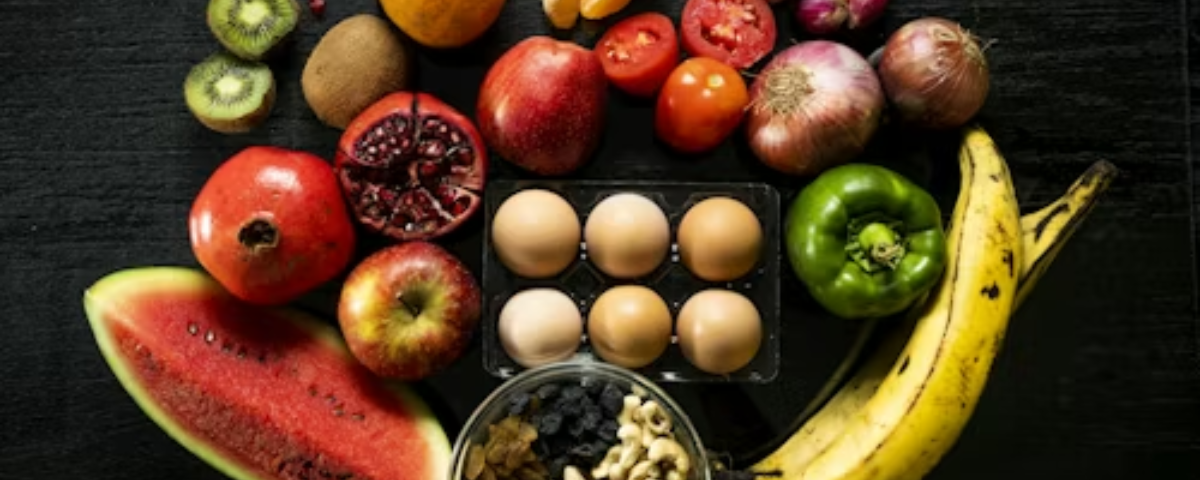
Eating the best foods for gut health is one of the most effective ways to improve digestion, immunity, and overall wellness. Many people struggle with bloating, constipation, low energy, and frequent illness without realizing that poor food choices are often the root cause. Choosing the best foods for gut health helps restore balance in the digestive system and supports beneficial gut bacteria naturally.
Instead of relying on quick fixes or supplements alone, focusing on the best foods for gut health allows the body to heal from within. A diet rich in fiber, fermented foods, fruits, vegetables, and healthy fats creates an ideal environment for a strong gut microbiome. This guide explains how the best foods for gut health work, why they matter, and how adding the best foods for gut health to your daily routine can lead to long-term digestive and overall health benefits.
For more trusted health and beauty tips, visit our homepage and explore practical guides for everyday wellness.
Why Food Matters for Gut Health
The gut is home to trillions of microorganisms, collectively known as the gut microbiome. These tiny bacteria, fungi, and microbes play a crucial role in maintaining your overall health, far beyond simple digestion. Every bite of food you eat directly affects the balance of these microorganisms. When your diet is rich in fiber, antioxidants, and natural nutrients, it creates an ideal environment for beneficial bacteria to flourish. These good bacteria help digest food efficiently, produce essential vitamins, regulate inflammation, and even strengthen your immune system. On the other hand, when your meals are dominated by processed foods, refined sugars, and artificial additives, harmful microbes can multiply unchecked, leading to gut imbalance and a cascade of health issues.
Maintaining a healthy gut is not just about avoiding stomach discomfort or irregular bowel movements. Poor gut balance has been linked to a wide range of health concerns, including digestive disorders like bloating and constipation, weakened immunity, skin problems such as acne and eczema, mood disturbances like anxiety and depression, and even metabolic conditions including obesity and insulin resistance. This illustrates why what you eat is absolutely foundational to gut health. Every dietary choice you make either supports or disrupts the delicate ecosystem in your digestive system.
Many people turn to supplements, probiotics, or trendy diets hoping for a quick fix. While supplements can support gut health, they cannot replace the effects of a consistent, nutrient-rich diet. Improving your daily food choices is the most reliable, sustainable, and long-term approach to nurturing your gut microbiome. By prioritizing whole foods, fiber-rich vegetables, fruits, legumes, and fermented products, you not only feed beneficial bacteria but also create a protective barrier against harmful microbes. A gut supported by real food leads to better digestion, stronger immunity, balanced mood, and overall improved well-being.
Ultimately, your gut health reflects your lifestyle choices. Eating thoughtfully and intentionally is the key to building a resilient gut that can support your body in every aspect.
Best Foods for Gut Health: Fiber-Rich Options That Feed Good Bacteria
Dietary fiber is widely recognized as one of the most essential nutrients for maintaining optimal gut health. It serves as the primary fuel for beneficial bacteria living in your digestive system, allowing them to flourish and perform their crucial functions effectively. When these friendly microbes are well-nourished, they produce short-chain fatty acids, which play a vital role in reducing gut inflammation, supporting the intestinal lining, and strengthening overall digestive health. Without enough fiber, these good bacteria struggle to survive, which can lead to an imbalance in the gut microbiome and a host of digestive and systemic health issues.
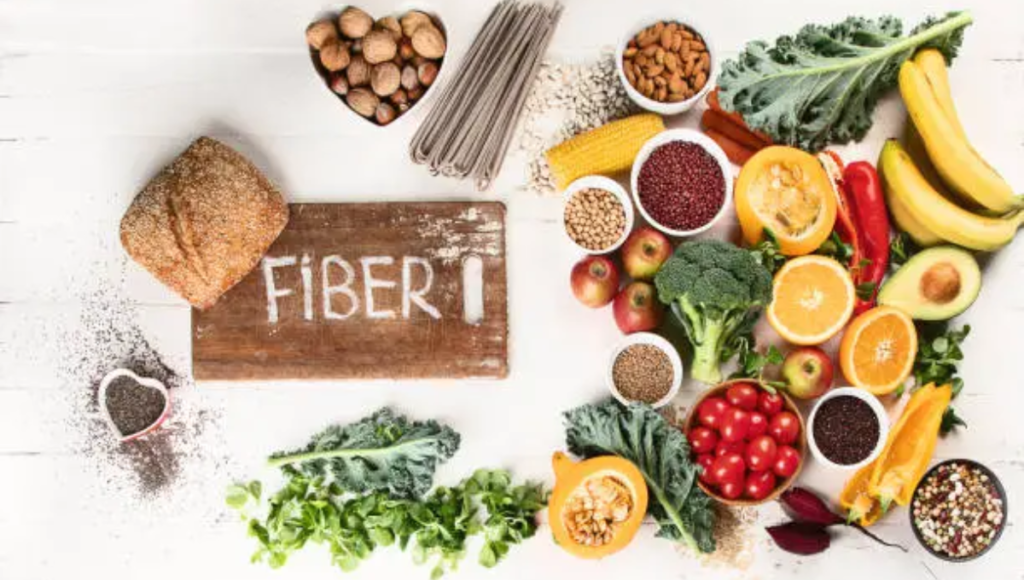
Incorporating fiber-rich foods into your daily diet is the most natural way to support a healthy gut. Some of the best options include oats, apples, berries, beans, lentils, chickpeas, flaxseeds, and chia seeds. These foods not only provide soluble and insoluble fiber but also deliver essential vitamins, minerals, and antioxidants that further promote gut and overall health. Additionally, vegetables such as broccoli, carrots, spinach, kale, and Brussels sprouts are excellent sources of fiber that aid regular digestion, support detoxification, and help maintain steady blood sugar levels. Eating a colorful variety of plant-based foods ensures that multiple strains of beneficial bacteria are nourished, which enhances microbial diversity—a key factor in a resilient gut.
Unfortunately, many people consume far less fiber than the recommended daily intake, often due to highly processed diets, fast foods, and sugary snacks. Gradually increasing fiber intake, rather than making sudden drastic changes, allows the gut microbiome to adapt smoothly and reduces the likelihood of bloating or discomfort. Pairing fiber-rich foods with adequate hydration further improves digestion, helps move food through the intestines efficiently, and supports the elimination of toxins. Over time, a diet consistently high in fiber not only nurtures a healthy gut but also strengthens immunity, improves energy levels, supports weight management, and even contributes to better mental clarity.
By making fiber a central part of your daily nutrition, you are investing in long-term gut health and overall wellness. The combination of soluble and insoluble fibers, along with a diverse plant-based diet, creates a thriving environment for good bacteria and lays the foundation for a strong, balanced digestive system.
Best Foods for Gut Health: Fermented Foods That Restore Your Gut
Fermented foods are among the most powerful dietary tools for supporting a healthy gut microbiome. These foods contain live beneficial bacteria, also known as probiotics, which directly enhance digestive health and strengthen overall immunity. Fermented foods have been used for centuries across various cultures, not only for their unique flavors but also for their remarkable health benefits. Incorporating them into your daily diet helps restore microbial balance, improve digestion, and reduce inflammation, making them a natural choice for anyone looking to support long-term gut health.
Some of the most effective fermented foods include yogurt with live cultures, kefir, sauerkraut, kimchi, miso, and naturally fermented pickles. Each of these foods delivers different strains of beneficial bacteria, contributing to microbial diversity in the gut. For example, yogurt and kefir provide a rich source of Lactobacillus strains that aid in breaking down lactose and supporting digestion, while sauerkraut and kimchi introduce a variety of lactic acid bacteria that help maintain gut integrity. Choosing fermented foods that are free from added sugars, artificial preservatives, and unnecessary additives ensures that you get the maximum health benefits without feeding harmful microbes.
Regular consumption of fermented foods can help improve digestion, reduce bloating and gas, and strengthen your immune response. This is particularly beneficial for people who have recently used antibiotics, as antibiotics can disrupt the gut microbiome by killing both harmful and beneficial bacteria. Fermented foods act as a gentle, natural method to restore the balance of gut flora and support recovery. Even for those without digestive issues, fermented foods enhance nutrient absorption, regulate inflammation, and may even positively affect mood and skin health due to the gut-brain-skin connection.
To get the most out of fermented foods, aim to include a variety of them in your diet consistently. You can add yogurt or kefir to breakfast, enjoy kimchi or sauerkraut with lunch or dinner, and snack on naturally fermented pickles. Over time, this approach nourishes beneficial bacteria, strengthens digestive resilience, and contributes to a healthier, more balanced gut microbiome. Fermented foods are not just a trend—they are a time-tested, science-backed strategy for achieving lasting gut and overall health.
Best Foods for Gut Health: Fruits and Vegetables That Promote Balance
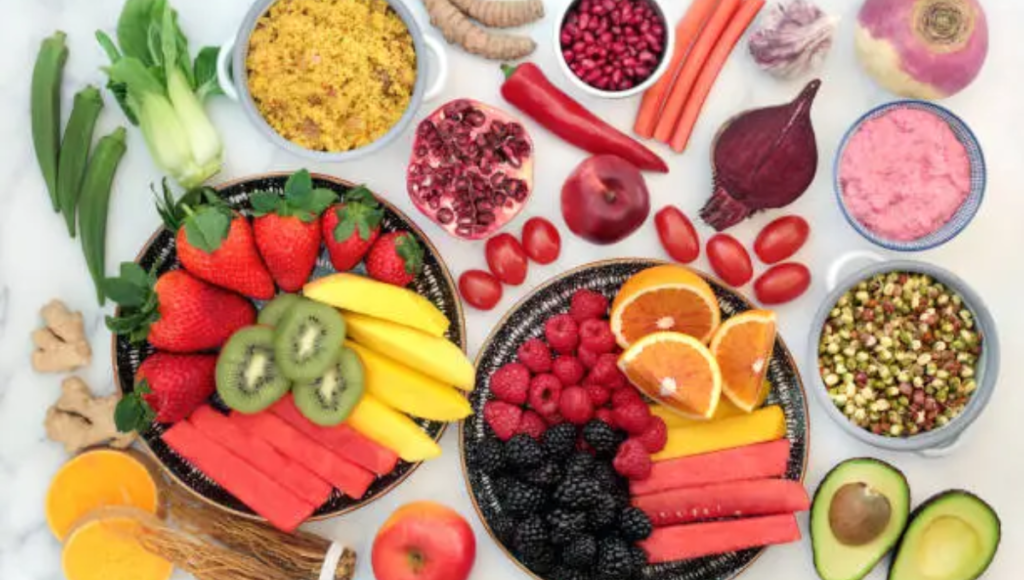
Fruits and vegetables provide vitamins, minerals, antioxidants, and plant compounds that protect the gut lining and reduce inflammation. Colorful produce supports microbial diversity, which is a key indicator of good gut health.
Bananas, berries, oranges, leafy greens, zucchini, sweet potatoes, and bell peppers are especially beneficial. These foods are easy to digest and help soothe the digestive system while providing essential nutrients.
Eating a wide variety of fruits and vegetables ensures that different strains of beneficial bacteria are supported.
Best Foods for Gut Health: Healthy Fats to Reduce Gut Inflammation
Not all fats are harmful to digestion. In fact, healthy fats play an important role in reducing inflammation and supporting gut lining repair.
Foods such as olive oil, avocados, nuts, seeds, and fatty fish like salmon contain anti-inflammatory compounds that benefit gut health. Omega-3 fatty acids, in particular, help calm intestinal inflammation and support immune balance.
Replacing processed vegetable oils and trans fats with natural fat sources can significantly improve digestive comfort over time.
Bone Broth and Gut Lining Support
Bone broth is rich in amino acids such as glutamine and glycine, which support the integrity of the gut lining. A healthy gut lining prevents unwanted particles from entering the bloodstream and triggering inflammation.
Regular consumption of bone broth may help people experiencing digestive sensitivity, leaky gut symptoms, or recovery from gut imbalance. It is best consumed as part of a balanced diet rather than as a standalone solution.
Foods to Limit for Better Gut Health
Just as some foods heal the gut, others can damage it. Excess sugar feeds harmful bacteria and yeast, leading to an imbalance. Highly processed foods, artificial sweeteners, fried foods, and excessive alcohol can inflame the gut lining and disrupt digestion.
Reducing these foods does not mean complete restriction, but mindful moderation plays a major role in gut recovery. Small daily changes often lead to noticeable improvements.
Building a Gut-Friendly Eating Routine
Consistency matters more than perfection. Eating regular meals, chewing slowly, staying hydrated, and reducing late-night snacking all support digestive health. Pairing gut-friendly foods with stress management and quality sleep further enhances results.
For readers looking for a complete, in-depth approach that goes beyond food alone, we have shared a detailed guide explaining how to improve gut health naturally through diet, lifestyle changes, stress reduction, and science-based strategies.
👉 Read the complete guide here:
https://thehealthandbeautytips.com/how-to-improve-gut-health-naturally/

Final Thoughts
Gut health improves when the body is supported consistently with nourishing foods. Whole foods, fiber, fermented options, and healthy fats work together to create a balanced digestive environment. Instead of chasing quick fixes, focusing on daily food choices leads to long-term improvements in digestion, immunity, energy, and overall wellness.
Check out more in-depth Gut Health Articles on our site to learn how to maintain a healthy digestive system naturally.
For general digestive and nutrition guidelines, we follow recommendations shared by the World Health Organization (WHO).
FAQs
What are the best foods for gut health?
The best foods for gut health include fiber-rich foods like oats, fruits, vegetables, beans, and whole grains, as well as fermented foods such as yogurt, kefir, sauerkraut, and kimchi. These foods support beneficial gut bacteria and improve digestion naturally.
How long does it take for gut health to improve with diet?
Most people start noticing improvements within 2 to 4 weeks of eating gut-friendly foods consistently. Significant gut healing may take 6 to 8 weeks depending on diet, stress levels, and overall lifestyle.
Are fermented foods necessary for good gut health?
Fermented foods are not mandatory, but they are highly beneficial. They provide natural probiotics that help restore gut balance, improve digestion, and strengthen immunity.
Can poor gut health affect skin and mood?
Yes. Poor gut health is linked to acne, eczema, dull skin, anxiety, low mood, and brain fog. A healthy gut helps regulate inflammation, hormones, and neurotransmitters that affect both skin and mental health.
Is diet enough to fix gut health problems?
Diet is the foundation of gut health, but lifestyle factors like stress management, quality sleep, hydration, and regular physical activity also play an important role in long-term gut healing.