

Dark Spots Removal 2025 is a common concern for people struggling with uneven skin tone, acne marks, and sun spots. Understanding what works and what doesn’t can save months of trial and error. and skin types. These marks often appear as brown, grey, or uneven patches on the face, especially on the cheeks, forehead, jawline, and around the mouth. For many people, dark spots make the skin look dull, uneven, and older than it actually is. The frustration increases when expensive products promise quick results but fail to deliver lasting improvement. Read more about Hyperpigmentation Treatment 2025 to complement your Dark Spots Removal 2025 routine.
In 2025, dermatologists clearly agree on one thing: dark spot removal is not about quick fixes. It requires understanding the cause, using the right ingredients consistently, and protecting the skin daily. Many people damage their skin by overusing strong products, which only worsens pigmentation. A realistic, skin-friendly approach is what actually works. Dark Spots Removal 2025
Dark spots removal 2025develop differently for everyone. Some appear after acne, others due to sun exposure, hormonal changes, or aging. Skin tone, genetics, and lifestyle also play a role. This guide focuses on what truly works in real life, not marketing promises. You’ll learn the causes of dark spots, common mistakes, effective ingredients, a safe daily routine, before-and-after expectations, and a realistic timeline for results in 2025.
Explore more skincare, beauty, and wellness tips on our homepage to stay updated with the latest 2025 guides and expert advice.
What Causes Dark Spots and Uneven Skin Tone?
Dark spots form when the skin produces excess melanin, the pigment responsible for skin color. The most common trigger is sun exposure. UV rays stimulate melanin production as a defense mechanism, leading to sun spots and uneven skin tone. Even short daily exposure, such as sitting near windows or driving, can worsen pigmentation over time if sunscreen is not used consistently.
Another major cause is post-inflammatory hyperpigmentation (PIH). This happens after acne, insect bites, burns, or skin irritation. Even once the skin heals, dark marks may remain for months. Hormonal changes can also trigger pigmentation, especially melasma, which often appears during pregnancy or with hormonal treatments.
Skin barrier damage is often ignored. Over-exfoliating, using harsh cleansers, or layering too many active ingredients weakens the skin barrier, making it more prone to pigmentation. Aging also slows cell turnover, allowing dark spots to linger longer.
Understanding the root cause is essential. Treating dark spots without addressing sun exposure, inflammation, and barrier health usually leads to slow or temporary results.
Common Mistakes That Prevent Dark Spots from Fading
One of the biggest mistakes people make is using strong products too frequently. Daily exfoliation, aggressive acids, or high-strength retinoids can irritate the skin. Irritated skin produces more melanin, making dark spots removal 2025 darker instead of lighter.
Skipping sunscreen is another major issue. Many people use brightening products but ignore sun protection. Without sunscreen, UV exposure cancels out all progress. Dark spots will not fade if the skin is constantly being re-triggered by the sun.
Using too many products at once is also common. Mixing multiple actives without understanding how they interact often leads to sensitivity and breakouts. In reality, simple routines work better than complicated ones.
Lastly, expecting instant results leads to frustration. Dark spots fade slowly. Switching products too often or increasing strength too quickly prevents the skin from healing properly.

Dark Spots Removal 2025: Safe Daily Skincare Routine
A consistent and gentle routine is the foundation of effective dark spot removal. In the morning, start with a mild cleanser that does not strip the skin. This keeps the barrier healthy and reduces irritation.
Next, apply a lightweight serum with ingredients like niacinamide or vitamin C. These support a brighter skin tone and help reduce uneven pigmentation over time. Follow with a moisturizer suitable for your skin type.
The most important morning step is broad-spectrum sunscreen (SPF 30 or higher). Sunscreen prevents existing dark spots from getting darker and protects new skin cells. Dark Spots Removal 2025
At night, cleanse again gently. On alternate nights, apply a treatment product such as azelaic acid, alpha arbutin, or a low-strength retinoid. Always finish with a moisturizer to support skin repair.
Lifestyle habits matter too. Proper sleep, hydration, stress management, and a balanced diet support healthy skin and improve treatment results.
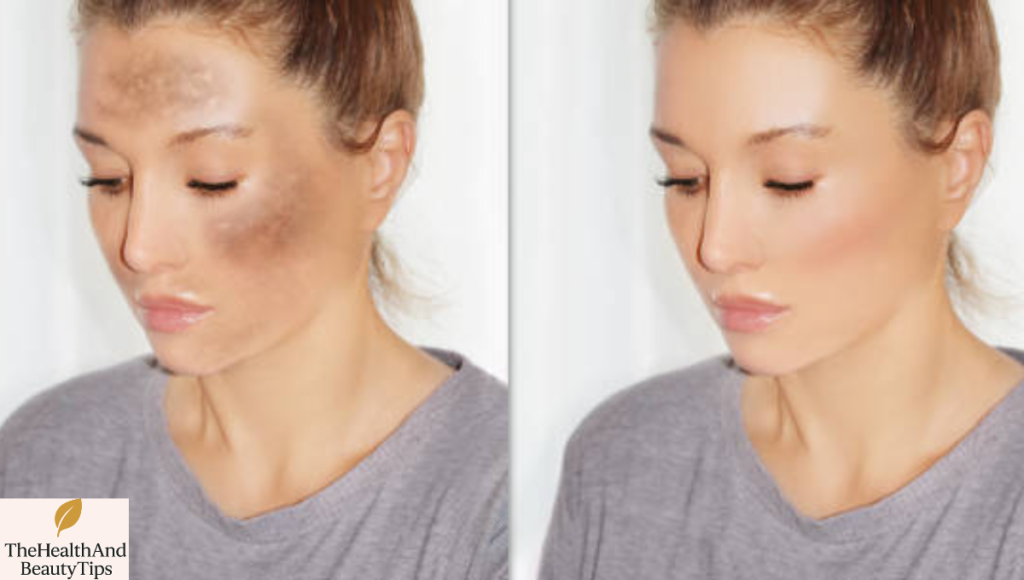
Dark Spots Removal 2025: Before & After Using Treatments
Before starting any dark spot treatment, most people notice that their skin looks uneven, with stubborn acne marks, sun spots, or other pigmentation that stands out, even under makeup. These dark patches can appear on the cheeks, forehead, jawline, or around the mouth, making the skin look dull and tired. Many individuals have experienced irritation or sensitivity from overusing harsh scrubs, chemical peels, or multiple active ingredients simultaneously.
This prior damage often weakens the skin barrier, making pigmentation worse rather than better. Sun exposure, inflammation, and hormonal changes contribute further, deepening the color of existing dark spots. It is common for people to feel frustrated at this stage, believing that no treatment can work or that their skin type is resistant to improvement. Emotional stress and low confidence also often accompany these skin challenges, as the face is constantly visible and difficult to cover completely with makeup alone.
After several weeks of consistent, science-backed care, visible improvement begins to emerge. Dark spots fade gradually and naturally, while overall skin tone appears more even. Texture becomes smoother, irritation decreases, and the skin looks healthier and more radiant. Results are not instantaneous, but they are stable and long-lasting, because the skin has time to repair itself and melanin levels normalize slowly.
Many users report feeling more confident as their complexion becomes clearer, reducing the reliance on heavy coverage or makeup. The “after” stage is not merely about lighter pigmentation—it is about healthier, calmer, and more balanced skin that can better resist future pigmentation.
This is why modern dark spot treatments in 2025 emphasize barrier repair, gentle ingredients, and daily sun protection rather than aggressive peeling or overly strong acids. With patience, proper routine, and consistent protection, the before-and-after transformation is not just visible but sustainable, supporting long-term skin health and a naturally brighter, even complexion. For more information on safe pigmentation treatments, visit the American Academy of Dermatology
Ingredients & Popular USA Products for Dark Spots
Ingredients & Popular USA Products for Dark Spots
Effective dark spot removal doesn’t depend on harsh treatments or expensive procedures—it starts with understanding which ingredients truly support healthy, even-toned skin over time. One of the most trusted ingredients is Vitamin C, known for its ability to brighten dull skin, fade the appearance of dark spots, and protect against environmental damage. Dark Spots Removal 2025
When used consistently, Vitamin C helps improve overall skin clarity while supporting collagen production. Niacinamide is another key ingredient that works gently to improve uneven skin tone, strengthen the skin barrier, and reduce redness, making it suitable for most skin types, including sensitive skin. Ingredients like alpha arbutin and tranexamic acid focus on regulating excess melanin production, which is often the root cause of stubborn pigmentation and dark patches.
These ingredients are especially useful for people dealing with sun spots or post-inflammatory hyperpigmentation. Azelaic acid is widely recommended by dermatologists in the USA because it targets acne-related dark spots while also calming inflammation and improving skin texture. When it comes to product choices, many US skincare users rely on trusted brands.
CeraVe Hydrating Cleanser provides a gentle, non-stripping cleanse that maintains the skin barrier.
SkinCeuticals C E Ferulic is a popular Vitamin C serum known for its stability and effectiveness.
The Ordinary Alpha Arbutin 2% is commonly used for targeted dark spot correction without irritation.
Paula’s Choice Azelaic Acid Booster helps fade acne marks while soothing the skin, and EltaMD UV Clear SPF plays a crucial role in preventing new pigmentation from forming. No dark spot routine is complete without daily sun protection. Ultimately, using a few well-chosen products consistently—and allowing time for the results—to take effect is far more effective than overloading the skin with too many treatments at once.
Many skin issues are linked to digestion, which is why improving your gut health is important. You can learn more in this detailed guide on natural ways to improve gut health.
Realistic Timeline for Dark Spots Removal
When it comes to removing dark spots, understanding a realistic timeline is crucial because expecting overnight results can lead to frustration and unnecessary product switching. In the first 2–4 weeks, the skin primarily focuses on calming inflammation and repairing its natural barrier. During this period, texture often becomes smoother, redness reduces, and the skin may feel more hydrated, but dark spots are generally still visible.
This stage is essential for preparing the skin to respond effectively to treatment ingredients like Vitamin C, niacinamide, azelaic acid, and alpha arbutin. Many people overlook this early phase and switch products too quickly, which can actually slow progress and irritate the skin further. Between 5 and 8 weeks, visible changes start to occur.
Dark spots gradually fade and become less defined, the overall skin tone looks more balanced, and post-acne marks begin to lighten. This is the phase where consistency truly pays off. Daily use of sunscreen becomes critical, as UV exposure can quickly undo weeks of effort. At this stage, users may notice subtle improvements in brightness and clarity, which are important indicators that the routine is working.
After 8–12 weeks, the “after” results become much more noticeable. Dark spots are significantly lighter, the complexion appears more even, and the skin feels healthier and calmer. While complete removal may not happen for everyone, the contrast between affected and unaffected areas diminishes substantially.
Maintenance beyond this point is key to preventing dark spots from returning. Continuing daily sunscreen, gentle cleansing, and weekly or alternate night treatments helps preserve results and protect against new pigmentation. Patience, consistency, and realistic expectations are what ultimately lead to safe, long-term improvement in skin tone and overall clarity.

Conclusion
Dark Spots Removal in 2025 is not just about applying the latest products or chasing trendy treatments—it’s about adopting a patient, consistent, and informed approach to skincare. True improvement in uneven skin tone and pigmentation requires understanding the underlying causes, such as sun exposure, post-inflammatory hyperpigmentation from acne, hormonal influences, and skin barrier health.
There is no magic solution that will instantly erase dark spots, and expecting quick results often leads to disappointment, irritation, or even worsening pigmentation. The key is to follow a realistic, science-backed routine that includes gentle cleansing, targeted treatment serums with ingredients like Vitamin C, niacinamide, alpha arbutin, azelaic acid, and most importantly, daily broad-spectrum sunscreen. Dark Spots Removal 2025
Avoiding common mistakes—such as over-exfoliating, skipping sunscreen, or overloading the skin with too many active ingredients—ensures the skin can repair itself naturally while gradually fading pigmentation. Consistency is critical: visible improvements often take 8–12 weeks, with gradual brightening, smoother texture, and reduced dark spots over time. Dark Spots Removal 2025
Supporting the skin barrier through moisturization, hydration, and lifestyle habits such as adequate sleep, stress management, and a balanced diet further enhances results and maintains long-term skin health. Ultimately, dark spot removal in 2025 is less about instant transformation and more about sustainable, healthy skin improvement.
By committing to a simple, repeatable routine, protecting the skin daily, and maintaining realistic expectations, you give your skin the best chance to develop an even, radiant, and long-lasting complexion. Remember, healthy, even-toned skin develops slowly—but when achieved through the right methods, it lasts far longer than any temporary quick fix ever could. Patience, diligence, and consistent care are the true secrets to finally seeing the results you want. Learn more about Vitamin C and skincare science at Dermstore
Discover detailed skincare routines, product reviews, and treatments in our Skincare category for glowing, healthy skin.
Disclaimer
This content is for educational purposes only and does not replace professional medical advice. Always consult a qualified dermatologist for personalized skincare concerns.
FAQs – People Also Ask (Short Version)
Can sensitive skin use dark spot treatments?
Yes, gentle products like niacinamide or low-strength azelaic acid are safe for sensitive skin.
Can dark spots fade completely?
Some dark spots can fade significantly, but results depend on skin type and cause.
How long does it take to see improvement?
Most people notice changes within 8–12 weeks of consistent care.
Do natural remedies work for dark spots?
Natural remedies may help slowly, but they work best alongside proven skincare products.
Is sunscreen really necessary for dark spot removal?
Yes, daily sunscreen prevents existing spots from darkening and stops new pigmentation.